What to check before booking a Niagara Falls boat tour on the Canadian side
Standing at the edge of Horseshoe Falls, feeling the mist on your face and hearing the roar of water is unforgettable. A boat tour on the Canadian side is one of the best ways to experience that power up close. But not every tour runs the same way, and a little planning makes the difference between a trip that feels effortless and one that leaves you soaked and disappointed.
Before you confirm your booking, there are a few things worth checking. These points help you pick the right time, avoid crowds, and get the experience you are actually hoping for.
When the tours actually run
Boat tours on the Canadian side operate seasonally. They typically start in late spring and run through the fall, but exact dates shift every year. If you are planning a trip in April or November, do not assume the boats are running. Check the official opening and closing dates for the season you are visiting.
Even within the season, weather can cancel departures. Fog, high winds, or ice on the river can stop operations for a few hours or a full day. If you are only in town for a short stay, book a flexible ticket or have a backup plan for what to do if your tour gets cancelled.
Which boat you will board
On the Canadian side, the main operator is Hornblower Niagara Cruises. Their boats are large, stable, and designed to carry a lot of passengers. But there can be different vessels in use on the same day. Some boats have more open deck space, while others have covered areas where you can stay drier.
If staying relatively dry matters to you, check whether the boat you are booked on has an enclosed lower deck. That area still gets mist, but not the full drenching you get on the upper deck. If you want the full experience, the upper deck puts you right in the spray, which is thrilling but guarantees you will be wet.
What time of day you book
Time of day changes everything on a canadian niagara falls boat tour. Morning departures tend to be calmer, with lighter crowds and softer light. The mist from the falls often catches the sun in a way that creates rainbows, and the gorge feels quieter.
Midday and early afternoon are peak hours. The queues are longer, the decks are fuller, and the experience feels more rushed. Late afternoon can be excellent again, especially if you are hoping for golden light on the water and a cooler breeze off the Niagara Gorge.
If you want the least crowded experience, book the first departure of the day or the last one before closing. Both give you more space to move around the boat and better photo opportunities.
What you actually see from the boat
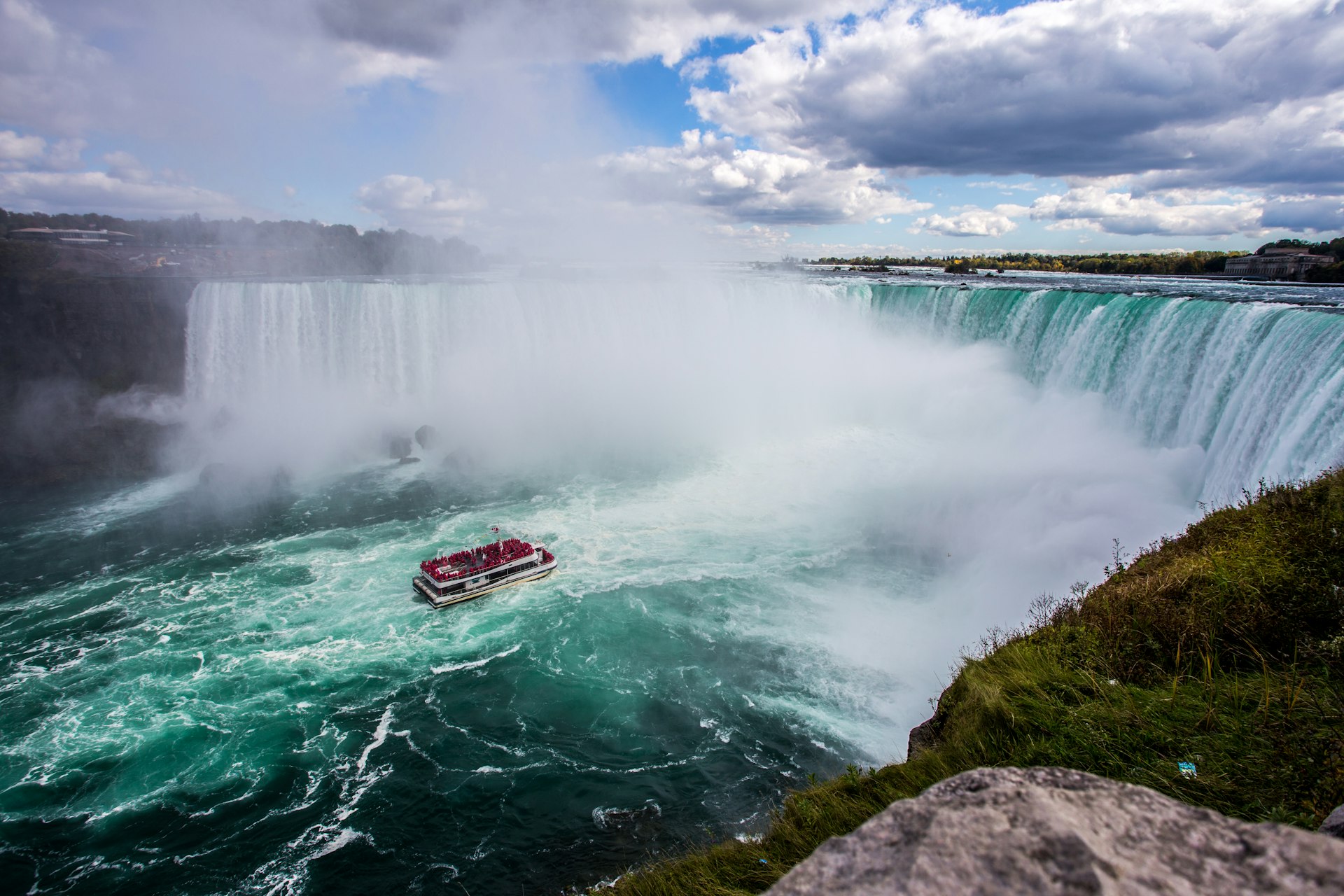
Some visitors assume a boat tour takes you past all three falls equally. In reality, the route goes deep into the Niagara Gorge, heading straight toward Horseshoe Falls. You feel the full force of the water there. The boat lingers for a few minutes before turning back.
You see American Falls and Bridal Veil Falls from the river, but the boat does not stop in front of them. The main event is Horseshoe Falls, and that is where the boat spends its time. If you want a closer look at the American side falls, a separate viewpoint from land is a better option.
The spray is heavy near Horseshoe Falls, and visibility can drop to near zero for a minute or two. That is part of the experience, but it means you might not get a clear photo right at the peak. Plan to take pictures before you get close, or accept that you will be shooting through mist and rainbows.
What to wear and bring
A boat tour on the Canadian side means you will get wet. Even if you stand on the lower deck, the mist drifts in from all sides. Ponchos are usually provided, but they are thin and do not keep everything dry. Wearing a waterproof jacket with a hood is a better choice if you have one.
Footwear matters too. Decks get slippery from the spray, and wet shoes make the rest of your day uncomfortable. Wear shoes with good grip and avoid anything that soaks through quickly. Sandals can be fine in warm weather, but they offer no protection if the wind picks up.
Electronics need protection. A dry bag or a ziplock pouch for your phone and camera is worth carrying. Even if you think you can keep them dry, the mist gets everywhere. A small microfiber cloth helps you wipe the lens between shots.
How long the whole experience takes
The boat ride itself is about twenty minutes. But the full experience from arrival to departure takes longer. You need time to park, walk to the boarding area, queue up, and board. After the ride, you exit through the same area, which can be crowded.
Plan for at least ninety minutes from when you arrive at the dock area to when you leave. If you are visiting during peak season or on a holiday weekend, allow two hours. That way you are not rushing and can enjoy the walk along the promenade before or after your ride.
Some visitors try to book back-to-back activities, but a boat tour leaves you damp and windblown. Give yourself a little time afterward to dry off, change clothes if needed, and grab something to eat before your next stop.
Whether the tour fits your group
Not every tour suits every group. If you are travelling with young children, check the minimum age or height requirements. Some operators have restrictions for infants. Strollers are not practical on the boat, so plan to carry small children or use a baby carrier.
For older visitors or anyone with mobility concerns, check accessibility. The boarding ramps and decks on Hornblower Niagara Cruises are generally accessible, but it is worth confirming when you book. The boat can sway a little at the dock and more so on the river, so anyone unsteady on their feet should hold the railings.
If you are in a large group, booking in advance is essential. Walk-up tickets may sell out, especially on weekends. Groups also need to coordinate meeting points, because cell service near the gorge can be spotty.
What the weather is doing
Weather on the Niagara River changes fast. A clear morning can turn into a windy afternoon. Check the forecast for Niagara Falls specifically, not just the broader region. Wind speed matters more than rain, because the boat can run in light rain but may stop in strong winds.
Temperature near the water is cooler than inland, sometimes by several degrees. Even on a warm day, the spray can make it feel chilly. Bring a layer you can take off if the sun comes out.
Fog is common in the early morning, especially in spring and fall. If the forecast shows fog, a later departure might give you clearer views. The mist from the falls combines with fog to create very low visibility, which reduces the impact of the ride.
How to handle the mist and the crowds
The spray from Horseshoe Falls creates a constant rainbow mist that drifts across the gorge. It is beautiful, but it also means the deck stays wet. Move carefully, especially if you are carrying a camera or a child.
Queues can be long, particularly at peak times. The boarding process is organised but can feel slow. Use the wait time to put on your poncho, secure your belongings, and decide where you want to stand on the boat. If you want a spot at the front railing, aim to be near the front of the queue.
Once on board, the best views are on the port side (left side) as you head toward the falls. That side faces Horseshoe Falls for most of the approach. The starboard side gives you views of the American shoreline and the Niagara Gorge walls.
Booking directly vs. through a third party
You have two main options for tickets: book directly with the operator or go through a third-party site. Booking directly gives you the most accurate information about cancellations, departure times, and any changes. Third-party sites sometimes offer bundle deals that include other attractions, which can save money if you plan to visit multiple spots.
Check the cancellation policy before you pay. Some tickets are non-refundable, while others let you reschedule if the weather turns bad. If your travel dates are fixed, a flexible ticket gives you peace of mind.
Reading recent reviews helps too. Look for comments about wait times, cleanliness of the boats, and how well the crew handles crowds. One or two bad reviews are normal, but a pattern of complaints about the same issue is worth noting.
Making the most of your time on the water
A canadian niagara falls boat tour is a short experience, but it stays with you. The thunder of the water, the cold spray, and the sight of the falls from below are unlike anything you get from land. Going in with the right expectations and a little preparation makes it even better.
Check the season, the weather, and the timing. Pick a departure that suits your group. Dress for wet conditions and protect your gear. And once you are on the water, put your phone away for a minute and just watch. That moment is the reason you came.